
Source [De]Coded — The platforms shaping what gets seen, and what doesn’t

Author
Greg Mondshein & Becky Honeyman
10.01.2026


See how we tackle today’s biggest PR and marketing challenges.
 Building brand awarenessChanging brand perceptionCreating a new categoryDeveloping a brand strategyEnter new marketsGaining market shareGenerating leadsLaunching a new offeringMeasuring a comms programReddit strategy & community amplificationRepositioning a brandAI Visibility & Search Discovery (AEO/GEO)
Discover the industries we serve – and why we’re so passionate about them. From B2B SaaS to consumer health and wellness, we have the expertise to drive ROI for your PR and marketing spend.

Check out our comprehensive range of services and how we do things differently.
Awards Program & Speakers BureausBrand StrategyConsumer Reviews ProgramContent CreationContent & Coverage AmplificationCorporate CommunicationEarned Media & StorytellingExecutive VisibilityGlobal Campaign CoordinationIntegrated MarketingInfluencer RelationsMeasurement, Insights, & AnalyticsPublic AffairsSocial MediaStakeholder EngagementStrategy Counsel
It’s a simple equation: clear insights + deep expertise + creative thinking = remarkable results. Our client case studies prove it.

Learn how SourceCode is uniquely prepared to address your specific communications goals.

Greg Mondshein & Becky Honeyman
10.01.2026
Alright team,
We were just named one of PR Daily’s 2026 Top Agencies and last week both sides of the pond packed up and went offsite. Our UK and Germany crew took over an Airbnb in Suffolk while the US team headed to camp in Connecticut, and both groups filled the days with team building, activities, great food, and a respectable amount of drinks. Honestly, if team building were a billable service, we’d have just booked our best week of the year.
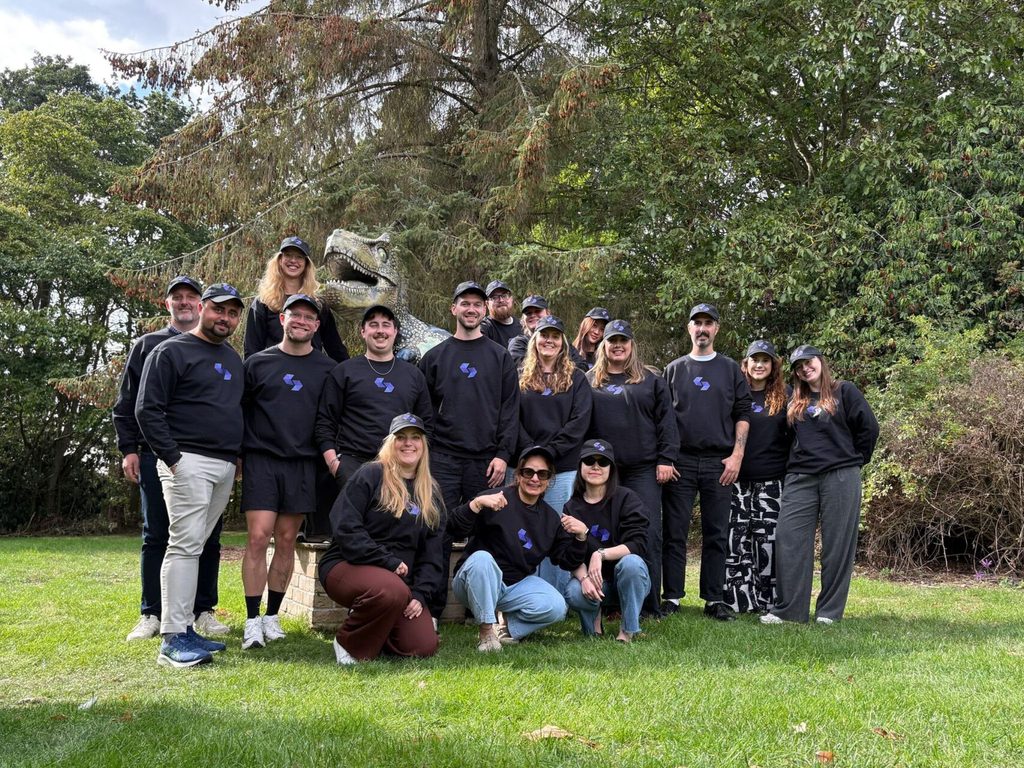
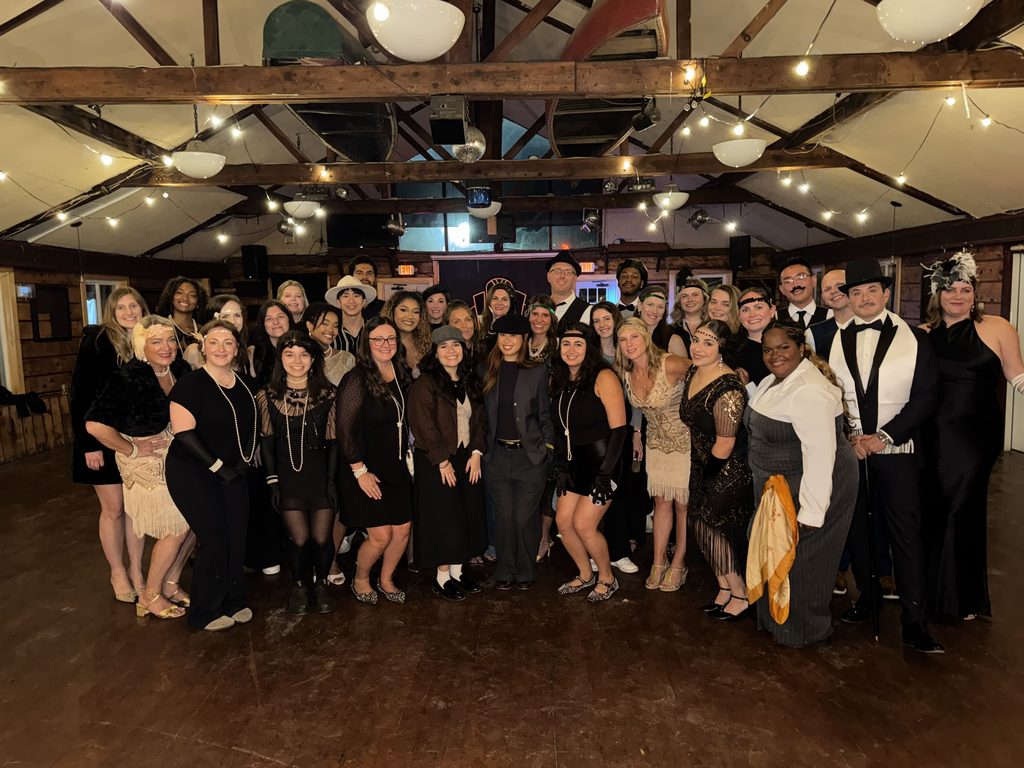
Good timing, because this week is all about the ground shifting under the channels everyone takes for granted. We kick off with our own piece on why newsrooms are shrinking but the journalists aren’t going anywhere, ahead of the panel our UK team is hosting on October 6. Then a federal judge orders Google to rebuild its ad auctions, every major platform refuses to run ads for Alex Gibney’s Musk documentary, and marketers scramble to figure out whether AI even mentions their brand. If your plan assumes distribution works like it did last year, it’s time for a rewrite.
Let’s get into it.
Becky and Greg
As reporters build their own podcasts, newsletters and video channels, the real question is whether your media strategy has followed them there.
TL;DR: More than 3,434 journalism jobs were cut across the UK and US in 2025, and the reporters who remain are turning to their own channels to cover the stories their day jobs can’t fit. About 34% of journalists now publish independently under their own name, while UK Substacks have passed 500,000 paid subscriptions and 27% of UK adults listen to at least one podcast a week. SourceCode UK is hosting a panel on the shift on 6 October in Farringdon, with speakers from City A.M., The Morning Intelligence and Fortune.
Takeaway: The creator journalist is not a niche. It’s where editorial judgment now lives when the newsroom runs out of room. That changes the unit of media relations from the outlet to the individual, and it changes the pitch too. A story that works as a 400-word news item won’t necessarily earn a slot in a morning podcast or a weekly long-form video, because those formats are commissioned on a different logic: voice, debate, and whether the story holds attention for 20 minutes. Brands that just add a “Substack” tab to their distribution list will get the same results they get from blasting a press release. The smarter play is to design the campaign around these channels from the start. Launch with an exclusive podcast interview timed for the commute, extend through traditional coverage and curated newsletters, then open it up in communities like Reddit and Discord. Traditional media still matters. It’s just no longer the whole sequence.
Consider:
A federal judge is forcing Google to change how it runs online ad auctions after finding the company held an illegal monopoly
https://thehill.com/policy/technology/6095515-google-ad-auction-monopoly
TL;DR: Following last year’s ruling that Google maintained an illegal monopoly in online advertising, a federal judge has now ordered the company to restructure its ad auction rules. The decision moves the case from a finding of wrongdoing into a phase of mandated remedy. The specific shape of that restructure will matter enormously to anyone who buys or plans around programmatic advertising.
Takeaway: For years, marketers have operated inside an ad auction system that one court has now determined was not a level playing field. Structural changes to how Google runs those auctions could shift pricing dynamics, inventory access, and the relative leverage of competing ad platforms. Communications leaders who have treated programmatic as a stable background assumption should start asking their media partners what a restructured auction environment might look like in practice. This is the kind of legal development that tends to feel abstract until it isn’t.
Consider:
YouTube, TikTok, and Meta each rejected paid promotion for a Musk documentary trailer, calling it political content, while X went silent entirely
TL;DR: Alex Gibney’s forthcoming documentary about Elon Musk ran into a wall when its distributor tried to buy paid advertising across the major social platforms. YouTube, TikTok, and Meta all declined, each citing the content as political. X did not respond to outreach at all. The result is a film about one of the most powerful figures in tech being effectively blocked from paid promotion on platforms he either owns or has significant influence over.
Takeaway: The “political content” label is doing a lot of work here, and its application is increasingly inconsistent and consequential. When platforms can simultaneously refuse paid ads and decline to explain their criteria clearly, advertisers and communicators lose meaningful recourse. This case is a pointed example, but the underlying dynamic, platforms exercising broad discretion over what gets promoted, affects far more than documentary filmmakers. For anyone whose content sits near a sensitive topic, the paid amplification channel may not be as reliable as the media plan assumes.
Consider:
As AI models decide which brands to mention, marketers are scrambling to understand a form of visibility that doesn’t yet have standard metrics
TL;DR: Marketers are grappling with a shift in how brands get discovered, one where AI models don’t rank options but decide whether a brand gets mentioned at all. The old framework of search ranking, where you could at least see where you stood, is giving way to something far less transparent. The measurement infrastructure to track AI visibility is still being built.
Takeaway: The jump from “ranking fifth” to “not mentioned” is not a small one. It represents a categorical change in competitive dynamics, where brands with strong SEO footprints may find themselves invisible inside AI-generated responses they never anticipated competing in. Communicators who have spent years thinking about narrative and reputation through the lens of media coverage and search should now consider how AI models characterize their brands, and whether the signals those models train on are working in their favor. The measurement gap means most teams are currently flying blind.
Consider: