
How can you build a successful thought leadership program?

Author
Meghan Matheny
Leadership
08.26.2026


See how we tackle today’s biggest PR and marketing challenges.
 Building brand awarenessChanging brand perceptionCreating a new categoryDeveloping a brand strategyEnter new marketsGaining market shareGenerating leadsLaunching a new offeringMeasuring a comms programReddit strategy & community amplificationRepositioning a brandAI Visibility & Search Discovery (AEO/GEO)
Discover the industries we serve – and why we’re so passionate about them. From B2B SaaS to consumer health and wellness, we have the expertise to drive ROI for your PR and marketing spend.

Check out our comprehensive range of services and how we do things differently.
Awards Program & Speakers BureausBrand StrategyConsumer Reviews ProgramContent CreationContent & Coverage AmplificationCorporate CommunicationEarned Media & StorytellingExecutive VisibilityGlobal Campaign CoordinationIntegrated MarketingInfluencer RelationsMeasurement, Insights, & AnalyticsPublic AffairsSocial MediaStakeholder EngagementStrategy Counsel
It’s a simple equation: clear insights + deep expertise + creative thinking = remarkable results. Our client case studies prove it.

Learn how SourceCode is uniquely prepared to address your specific communications goals.

Meghan Matheny
08.26.2026
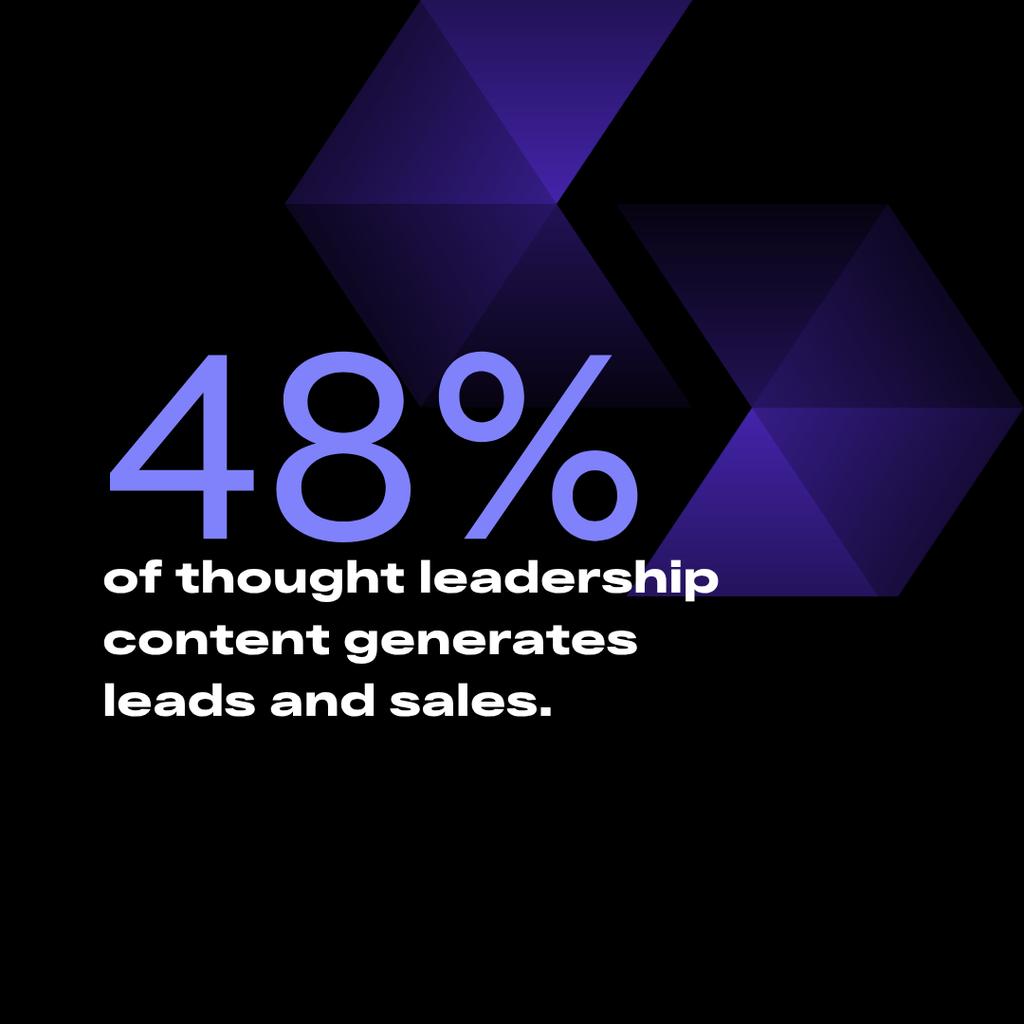
Thought leadership has always been a fundamental part of PR. It’s a great way to showcase the expertise and innovative thinking of your executives and subject matter experts. It also delivers results, with research suggesting that nearly half (48%) of thought leadership content generates leads and sales.
The rise of AI search has made thought leadership even more important. If you want your brand to show up in AI search summaries, then placing a thought leadership piece by-lined to one of your key spokespeople is a great way to do it. It is exactly the sort of authoritative and credible content that AI algorithms seek.
Effective thought leadership does not happen by accident. It requires careful planning to deliver the best results. If you’re thinking of embarking on a thought leadership program, or are in the process of rolling one out, here’s a checklist to ensure you get the most out of it.

The word leadership is important. Don’t just say what everybody else is saying.
Once you’ve laid a solid thought leadership foundation, you can be pickier about which outlets you appear in.
If you need help getting your thought leadership campaign off the ground, then get in touch. From creating a brand story, to crystallizing topic areas and “swim lanes,” to managing your executive brand marketing, there are plenty of ways we can help.
At least once or twice a month, plus two to three social posts a week. Consistency builds credibility as much as any single piece does.
A specific topic area assigned to one spokesperson so their message stays clear. When a program has more than one spokesperson, each one owns a distinct lane based on their expertise.
Yes. Authoritative content bylined to a real spokesperson is exactly what AI search summaries look for, which makes it a direct route into AI-generated answers.
Yes, especially early on. Wide exposure across trade and top-tier outlets builds a record that makes journalists trust them as a source. They can be more selective once that reputation exists.