
Media Outlets Are Changing. Brand Communications Must Change Too.

Author
Sam Shaw
08.11.2026


See how we tackle today’s biggest PR and marketing challenges.
 Building brand awarenessChanging brand perceptionCreating a new categoryDeveloping a brand strategyEnter new marketsGaining market shareGenerating leadsLaunching a new offeringMeasuring a comms programReddit strategy & community amplificationRepositioning a brandAI Visibility & Search Discovery (AEO/GEO)
Discover the industries we serve – and why we’re so passionate about them. From B2B SaaS to consumer health and wellness, we have the expertise to drive ROI for your PR and marketing spend.

Check out our comprehensive range of services and how we do things differently.
Awards Program & Speakers BureausBrand StrategyConsumer Reviews ProgramContent CreationContent & Coverage AmplificationCorporate CommunicationEarned Media & StorytellingExecutive VisibilityGlobal Campaign CoordinationIntegrated MarketingInfluencer RelationsMeasurement, Insights, & AnalyticsPublic AffairsSocial MediaStakeholder EngagementStrategy Counsel
It’s a simple equation: clear insights + deep expertise + creative thinking = remarkable results. Our client case studies prove it.

Learn how SourceCode is uniquely prepared to address your specific communications goals.

Sam Shaw
08.11.2026
The modern media landscape has evolved into a multiplatform ecosystem where journalists create articles, podcasts, newsletters and social video. Brands that want to earn media coverage today need a modern communications strategy built around multimedia assets, targeted media outreach and spokespeople who are ready for every format.
The media landscape has changed beyond recognition. Print, online, broadcast – once neat channels, are now mostly meaningless. In 2026, every outlet is a multi-platform machine. Modern journalists still write articles, definitely, but they also circulate newsletters, host podcasts, film video shorts, and publish social-first content.
The Guardian is a prime example. Founded in 1821 as the Manchester Guardian, the publication now also runs a podcast (Today in Focus), provides short-form video explainers and documentaries on YouTube, and publishes a newsletter to help support its reader-funded model.
The New York Times is doing something similar: The Daily is a podcast juggernaut, while The Weekly and FX Presents: The New York Times cover video and documentaries. NYT Cooking and NYT Games (Wordle, Connections) also serve as genuine subscription drivers in their own right. Most recently, it launched a new Fast TV channel, which supports 150 hours of TV-ready content from across the NYT’s portfolio of brands.
The biggest reason for this change is obvious: publishers are chasing their audiences to wherever they’re at. All consumers, but particularly younger audiences, prioritise media via visual and spoken formats, not text. If outlets want to stay relevant, they have to compete on TikTok, Instagram Reels, and YouTube Shorts – and increasingly, video podcasts.
And AI is speeding all of this up. In the past, publishers could rely on social media platforms and search engines to drive traffic to their websites. That’s drying up fast. Social algorithms are dialing back on organic news links, while AI search summaries are reducing traditional click-throughs. By diversifying output through newsletters and podcasts, publishers can rebuild direct relationships with their audiences. And direct relationships are what build loyalty and drive subscriptions.
It’s also why Substack has become such a serious force: it’s given individual journalists a way to take their audience – and their trust – with them, outside of any single masthead.
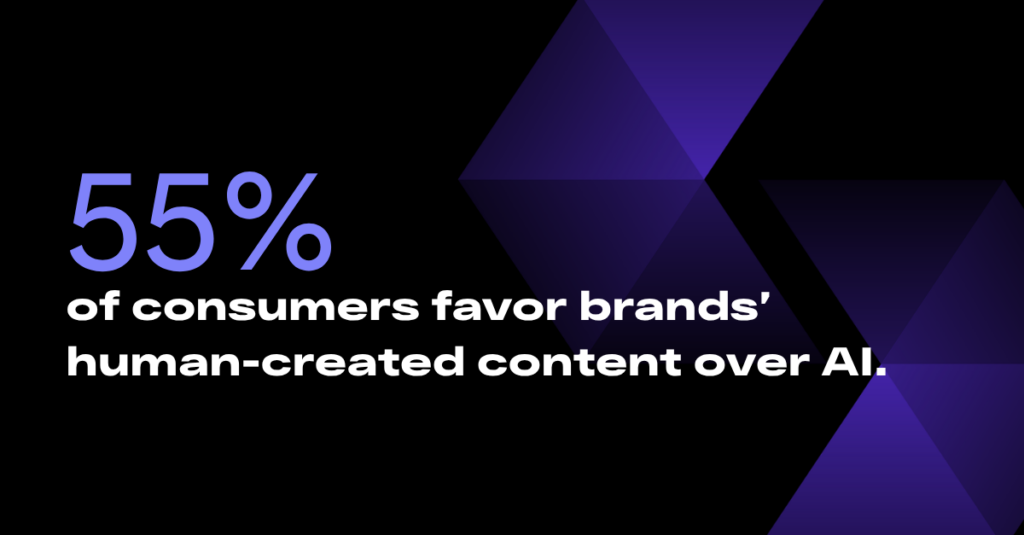
Trust is a major currency, too. With so much AI slop on the web, consumers crave authentic human experiences (according to one recent study, 55% of consumers favor brands’ human-created content over AI). As publishers shift to podcasts, newsletters, videos, and social media, they’re putting their journalists front and center, allowing their personalities to shine so that audiences can connect with them on a human level.
But this isn’t a perfect solution. Op-eds and bylined thought leadership were supposed to be the last bastion of human-led expertise – and even that’s being automated. City A.M. editor Christian May has taken to publicly calling out AI-written submissions as “slop-eds,” and he’s not alone. The very formats the media are leaning on to prove they’re human is getting diluted by the same problem they’re trying to escape.
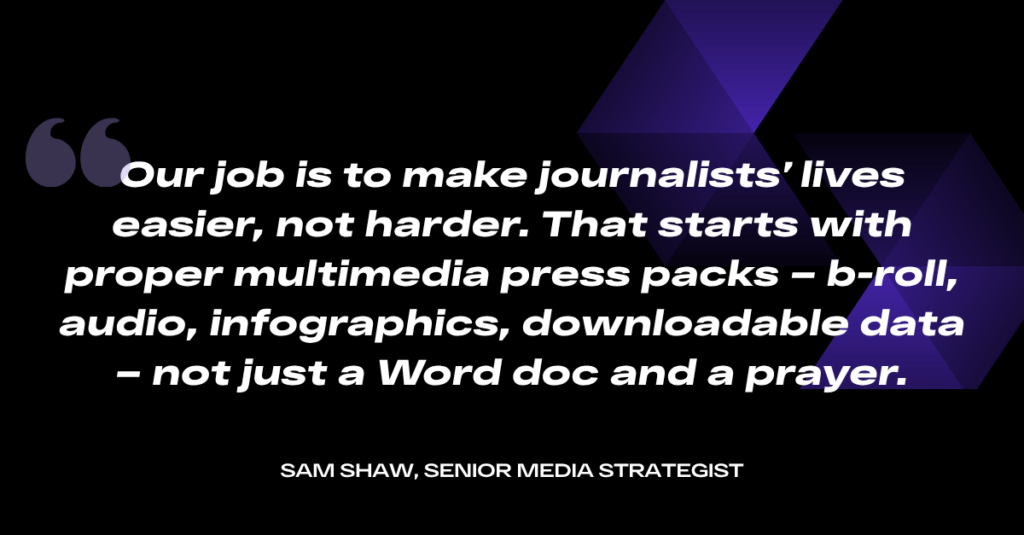
Given these changes, PR pros need to think bigger than simple press releases or media alerts. Our job is to make journalists’ lives easier, not harder. That starts with proper multimedia press packs – b-roll, audio, infographics, downloadable data – not just a Word doc and a prayer. It also means being ruthless about what goes out under a spokesperson’s name – if editors like Christian May are publicly shaming “slop-eds,” the bar for bylined content has risen and lazy AI-assisted thought leadership is now a reputational risk.
It also means media training isn’t optional anymore. With podcasts and video eating more of the coverage pie, you need an executive who’s genuinely camera-ready and available at short notice. They need to be natural, relaxed, able to hold a room (or a mic) without sounding rehearsed. Where the interview happens matters too: a compelling location makes a story more visually interesting, and more visually interesting stories get covered.
LinkedIn also deserves a specific mention here – X has become less relevant as a serious business channel in recent years, and LinkedIn has quietly become the place where brands and spokespeople build credibility. It’s no longer just a jobs board; it’s where a well-placed thought leadership post can carry as much weight as a trade write-up, and where journalists themselves are now scouting sources and story ideas.
Finally, media targeting must be laser-focused. Blanket-emailing media lists will not land the coverage you want. Rather, PR pros should focus on the personalities of specific journalists, engaging them with a pitch precisely tailored to a specific media slot or opportunity. Pitching the host of The Daily, for example, requires a completely different narrative hook, tone, and angle to pitching a print reporter on a tech desk. That target list should now include independent Substack writers too. Plenty of former staff journalists have taken their beat, and their audience, with them, and they’re often more receptive to a genuinely good pitch than an overloaded inbox at a national.
The media landscape isn’t just changing, it’s fragmenting into something richer and messier. That’s good news for media consumers, and it’s great news for brands looking for new ways to reach their audiences. Brands with a considered, targeted, multimedia approach to comms will be the ones winning going forward.