
UK Political Party Conference Roundup: What Brands Need to Know

Author
Giles Peddy
Leadership
10.14.2026


See how we tackle today’s biggest PR and marketing challenges.
 Building brand awarenessChanging brand perceptionCreating a new categoryDeveloping a brand strategyEnter new marketsGaining market shareGenerating leadsLaunching a new offeringMeasuring a comms programReddit strategy & community amplificationRepositioning a brandAI Visibility & Search Discovery (AEO/GEO)
Discover the industries we serve – and why we’re so passionate about them. From B2B SaaS to consumer health and wellness, we have the expertise to drive ROI for your PR and marketing spend.

Check out our comprehensive range of services and how we do things differently.
Awards Program & Speakers BureausBrand StrategyConsumer Reviews ProgramContent CreationContent & Coverage AmplificationCorporate CommunicationEarned Media & StorytellingExecutive VisibilityGlobal Campaign CoordinationIntegrated MarketingInfluencer RelationsMeasurement, Insights, & AnalyticsPublic AffairsSocial MediaStakeholder EngagementStrategy Counsel
It’s a simple equation: clear insights + deep expertise + creative thinking = remarkable results. Our client case studies prove it.

Learn how SourceCode is uniquely prepared to address your specific communications goals.

Giles Peddy
10.14.2026
As the UK’s party conference season draws to a close, one thing is clear: policy divides between the parties have not been this clear for some time. For brands with a stake in public policy discussions, now’s the time to get your message out there.
Autumn has now arrived in the UK, bringing with it shorter days, chillier nights, and, of course, the party conference season. In amongst the keynotes, policy launches, and political roughhousing, there are plenty of opportunities for businesses to weigh in on the policy debate and get their voices heard. This is not about getting involved in politics, but it is about having a say in the policies that will affect your organisation and your customers.
To mark the launch of our new public affairs offering, we’ve compiled a list of some of the policy debates making waves at the conferences of the three biggest UK parties based on representation in the House of Commons.
How would these policies impact your stakeholders? Are they the right direction for the country, or do you have suggestions for a better path forward? Taking part in these debates will not only raise your profile, but it could mean you end up helping to shape policy outcomes.
“Taking part in these debates will not only raise your profile, but it could mean you end up helping to shape policy outcomes.”
Giles Peddy, Managing Director, UK & Europe
What’s above all clear from this year’s conference season is that there are clearer dividing lines emerging between the parties that have been absent for many years. From energy to tax, infrastructure to healthcare, battle lines are being drawn. For businesses that can add to these policy debates, the next few years promise to provide fertile ground to get your messages heard.
If you want to learn more about SourceCode Communications’ new policy offering, get in touch.
Conference season is where the parties set out the policies that will shape tax, housing, energy and regulation. Businesses that set out how those policies affect their customers get a say before the detail is fixed, and can help shape the outcome.
They proposed raising the personal allowance to £15,000 and the higher rate threshold to £56,000, replacing the Treasury with a Department for Growth, and reforming R&D tax credits. They also proposed extending the Patent Box and a levy on large tech and AI firms whose platforms are used for serious online crime.
Labour proposed adjusting the pensions triple lock so the state pension rises by CPI inflation or a minimum of 2.5%, with the savings helping to fund a National Care Service. It also proposed repealing the ban on public ownership of water companies, a publicly owned Great British Grid, and a national commission on voting reform.
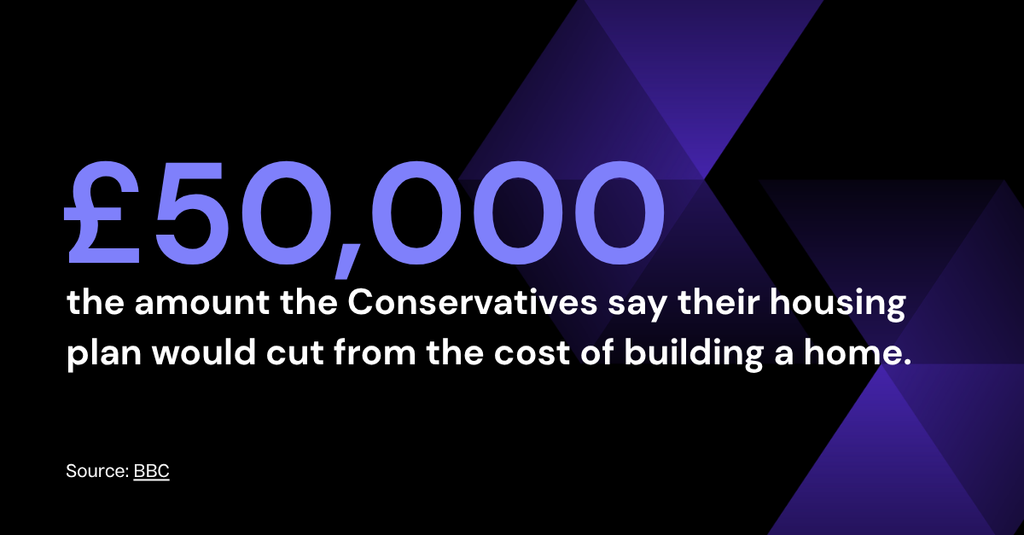
The Conservatives proposed halving employer National Insurance for under-25s, abolishing business rates for most high street shops and scrapping stamp duty for homebuyers. They also proposed a £10bn defence network called Britannia Shield and reversing North Sea drilling bans.
Start by working out how each proposal would affect your customers and stakeholders, and whether you support it or have a better alternative. SourceCode’s public affairs team helps businesses get those views heard.