
A Guide to Addressing Active and Passive Audiences

Author
Meghan Matheny
Leadership
10.27.2026


See how we tackle today’s biggest PR and marketing challenges.
 Building brand awarenessChanging brand perceptionCreating a new categoryDeveloping a brand strategyEnter new marketsGaining market shareGenerating leadsLaunching a new offeringMeasuring a comms programReddit strategy & community amplificationRepositioning a brandAI Visibility & Search Discovery (AEO/GEO)

Discover the industries we serve – and why we’re so passionate about them. From B2B SaaS to consumer health and wellness, we have the expertise to drive ROI for your PR and marketing spend.

Check out our comprehensive range of services and how we do things differently.
Awards Program & Speakers BureausBrand StrategyConsumer Reviews ProgramContent CreationContent & Coverage AmplificationCorporate CommunicationEarned Media & StorytellingExecutive VisibilityGlobal Campaign CoordinationIntegrated MarketingInfluencer RelationsMeasurement, Insights, & AnalyticsPublic AffairsSocial MediaStakeholder EngagementStrategy Counsel
It’s a simple equation: clear insights + deep expertise + creative thinking = remarkable results. Our client case studies prove it.

Learn how SourceCode is uniquely prepared to address your specific communications goals.

Meghan Matheny
10.27.2026
To ensure maximum brand recognition, enterprises need to adopt a two-pronged approach to communications that engages both active and passive audiences.
As I set out in a post last year, media consumption can be split into two modes of consumption: active and passive. It’s equally important that your marketing and communications programs reach both audience types.
Active consumption is when people intentionally seek out specific media and engage with it mindfully, whether that’s buying and reading a newspaper, downloading a whitepaper, or watching a YouTube video.
Passive consumption, on the other hand, is when people consume media less intentionally. It’s that news program playing in the background as they cook dinner, or that absent-minded scroll through social media on the commute into work, or that glimpse of a digital billboard on the way to the coffee shop. They consume it because it just so happens to be there.
It’s thought that 57% of adults are active consumers of news media and 43% passive. Today, I’d like to dive a little deeper into the tactics brands can use to reach these different audiences.
When it comes to passive audiences, you need to ensure that your messages stand out. On owned channels, this can be achieved in several ways including:
Billboards are a great tool for reaching passive audiences, but maximizing ROI is key to success. Our clients report the strongest impact when pairing out-of-home advertising with additional activities such as event sponsorships, trade outlet coverage, and analyst relations. These secondary touchpoints help build trust and brand recall, ultimately driving organic search, product demos, and goal conversions in Google Analytics.
For active audiences, maintaining a consistent media presence across the trade and top tier outlets is, of course, key. But this is just table stakes. The media landscape is changing, and there are now a wholly new set of considerations to bear in mind when targeting active media consumers.
“…shifts the focus from building general brand awareness to engaging buyers at the precise moment they’re comparing options and preparing to make a purchase.”
First is catering to channels that lean into solution comparisons, reviews, and recommendations, as this is where your most active and engaged audiences are likely to be found. That’s why you need a program that hits G2, TrustRadius, Capterra as well as a content machine that compares your solution to those on the market so readers can easily spot the differences. This approach shifts the focus from building general brand awareness to engaging buyers at the precise moment they’re comparing options and preparing to make a purchase.
Targeting review platforms like G2, TrustRadius, and Capterra is also becoming an effective strategy for Answer Engine Optimization (AEO), as LLMs use these sites as well as Reddit to return results to users seeking information, your quintessential active consumer.
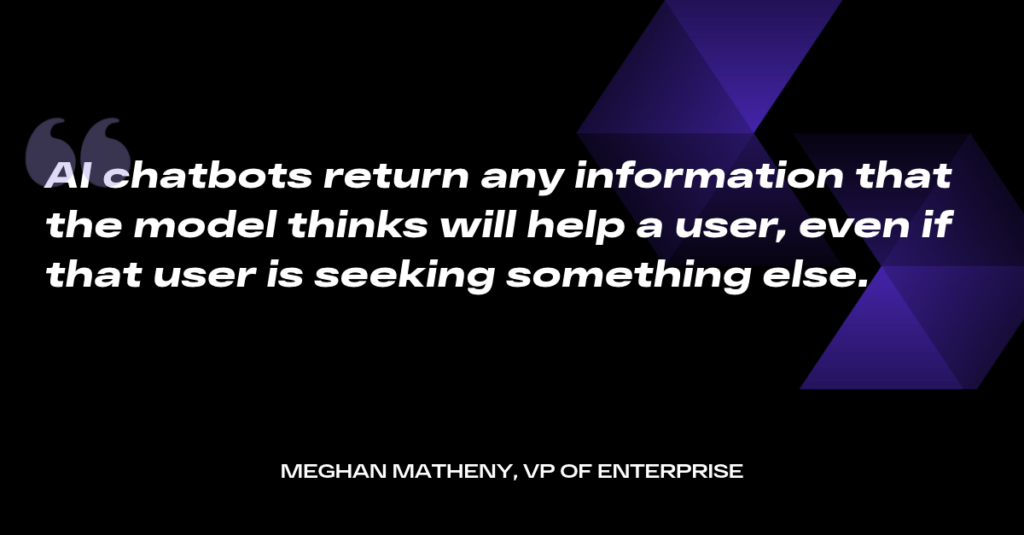
AEO also supports your passive audience strategy. This is because AI chatbots return any information that the model thinks will help a user, even if that user is seeking something else. It’s therefore vital that you ensure your company info and solutions are up to date and you’re targeting the right media for AEO including YouTube, Reddit, and trade coverage.
In truth, there are always blurred lines between passive and active audiences as people flex in and out of different media and channels. Brands need to ensure they have a strategy that addresses them in whichever consumption mode they’re in, while also optimizing for LLMs, which are in effect just another active audience.
If you want further information on how best to engage with your active and passive audiences, then drop us a line, we’d be happy to help.
Active audiences go looking for media and engage with it on purpose, like reading a newspaper, downloading a whitepaper or watching a YouTube video. Passive audiences take media in because it happens to be there, like a news program in the background or a scroll through social media on the commute.
Make your messages stand out with high-impact visuals, keep them brief and memorable, and repeat them consistently across channels. Out-of-home advertising like billboards works best when it’s paired with event sponsorships, trade coverage and analyst relations.
Keep a consistent presence in trade and top tier media, then go further with a program on review sites like G2, TrustRadius and Capterra, backed by content that compares your solution with others on the market. That reaches buyers at the moment they’re comparing options.
Answer engine optimization (AEO) is making sure AI assistants find and use your brand when they answer people’s questions. Those assistants draw on review platforms like G2, TrustRadius and Capterra, along with Reddit, so a presence there helps you show up in their answers.
Yes. AI chatbots surface information they think will help a user even when the user asked about something else, so keeping your company and solution information current puts you in front of people who weren’t looking for you.