
The Ins and Outs of Alternative Media: A Recap of SourceCode UK’s Latest Media Roundtable

Author
Giles Peddy
Leadership
10.08.2026


See how we tackle today’s biggest PR and marketing challenges.
 Building brand awarenessChanging brand perceptionCreating a new categoryDeveloping a brand strategyEnter new marketsGaining market shareGenerating leadsLaunching a new offeringMeasuring a comms programReddit strategy & community amplificationRepositioning a brandAI Visibility & Search Discovery (AEO/GEO)
Discover the industries we serve – and why we’re so passionate about them. From B2B SaaS to consumer health and wellness, we have the expertise to drive ROI for your PR and marketing spend.

Check out our comprehensive range of services and how we do things differently.
Awards Program & Speakers BureausBrand StrategyConsumer Reviews ProgramContent CreationContent & Coverage AmplificationCorporate CommunicationEarned Media & StorytellingExecutive VisibilityGlobal Campaign CoordinationIntegrated MarketingInfluencer RelationsMeasurement, Insights, & AnalyticsPublic AffairsSocial MediaStakeholder EngagementStrategy Counsel
It’s a simple equation: clear insights + deep expertise + creative thinking = remarkable results. Our client case studies prove it.

Learn how SourceCode is uniquely prepared to address your specific communications goals.

Giles Peddy
10.08.2026
Alternative media is growing fast, but it isn’t replacing traditional news, and the rules for getting a brand into it are mostly the old ones. That was the message from SourceCode UK’s media roundtable on October 6th, 2026.
As anyone working in the comms industry knows, alternative media is big, and getting bigger. More and more, people are turning to newsletters, podcasts, and long-form video content for their news. Traditional media outlets have some real competition on their hands.
To get a handle on this shift and what it means for brands, SourceCode UK hosted a media roundtable on October 6th, 2026. As anyone who attended knows, it was a hugely insightful and informative evening, with some great contributions from our stellar panel: Martin Kimber, former Head of Video & Audio at City A.M. and co-host of the Business As Usual podcast; Tom Bristow, Editor of The Morning Intelligence newsletter; and Kamal Ahmed, Executive Editorial Director, EMEA, at Fortune.



For those who couldn’t make it, and for those who did but would like a recap, here’s a quick summary of some of the more interesting points raised:
On a basic level, journalists and news organizations are simply responding to changing media consumption habits and moving to where their audiences now like to go. Increasingly, that’s podcasts, vodcasts, and newsletters.
However, there’s something of a push factor at work here as well. Alternative media gives journalists space to make the programs and cover the stories that matter most to them. Where they go out on their own, journalists are giving themselves complete editorial control over their own content, and many find the channels much more rewarding than traditional newsrooms.
Another key difference is that whereas traditional newsrooms are always on-brand and corporate, alternative media is much more about journalists’ individual personalities. People often turn to these channels for parasocial reasons: they feel they have a connection with the presenters because of a high degree of personal content. In a world where AI increasingly holds sway, these personal connections are more valuable than ever. Indeed, alternative news media only really became popular once journalists understood the need to make it personal and personality-driven.
“In a world where AI increasingly holds sway, these personal connections are more valuable than ever.”
Giles Peddy
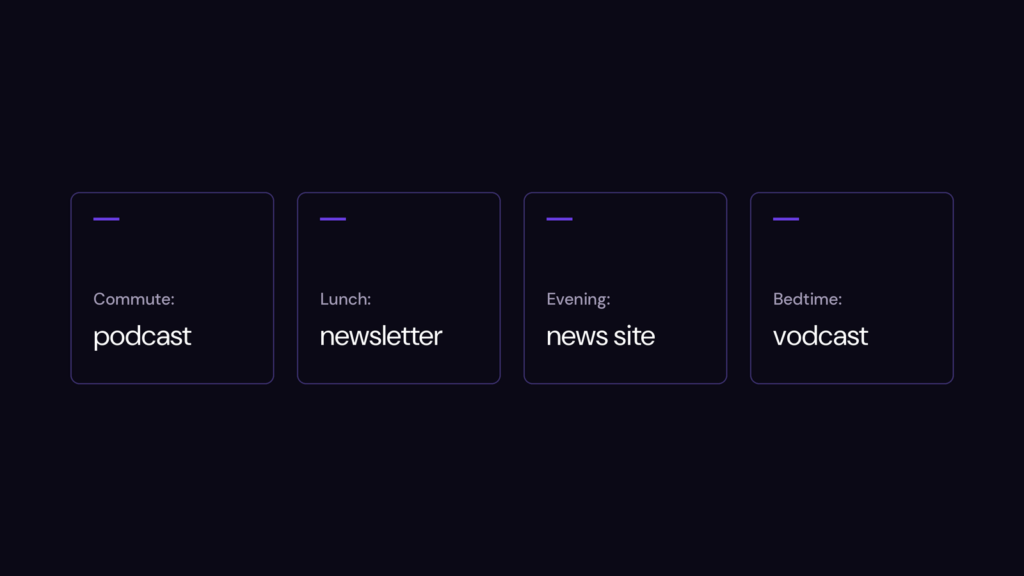
Although consumers have a proliferation of news channels and outlets to choose from, there will always be a place for heritage media. Consumers increasingly interact with a rich news ecosystem. They might listen to a podcast on the way to work, read a digital newsletter over lunch, skim a traditional news outlet at home, and then catch a vodcast before bed. Alternative media are not displacement technologies, they augment traditional media and give more choice to consumers and brands alike. The aim for media outlets is to deliver the right product to the right person at the right time.
When it comes to alternative media planning, there’s little difference to how traditional media works. The news grid stays the same, and editors select stories based on what their experience tells them are the most newsworthy. In terms of format, the strong hooks and intros that mark out compelling stories are important for all forms of media, old and new.
Alternative media outlets are under much greater pressure than heritage brands to balance serious reporting with light-hearted entertainment. The secret to success lies always in treating the audience seriously and meeting them on their own terms. It’s also important for journalists to remember why they got into the profession: to help people better understand and navigate the world around them. If they can clearly answer why people come to their brand and what they expect from it, then they will be able to cater to their audiences’ requirements.
Additionally, successful outlets recognize that what works in one format might not work in another. This is because audiences vary from channel to channel and bring with them different expectations and demands. Different formats also lend themselves to different functions. TikTok, for instance, doesn’t list posts chronologically and instead up-rates content based on user interest; it can take time for a story to appear. As a result it’s not suitable for breaking news, but is a good place to go to take part in waves of conversations that take place over a longer timeframe.
“The secret to success lies always in treating the audience seriously and meeting them on their own terms.”
Giles Peddy
How can PR pros get their brands into alternative media? Once again, the old rules hold true. PRs need to take time to understand the outlets they’re pitching to so they can identify exactly the right opportunities for their clients and avoid wasting time by pitching unsuitable stories. This requires PR teams to spend time on the outlets they’re interested in so they understand better its areas of focus and style. They can also discover story arcs, those broader themes that outlets return to time and again.
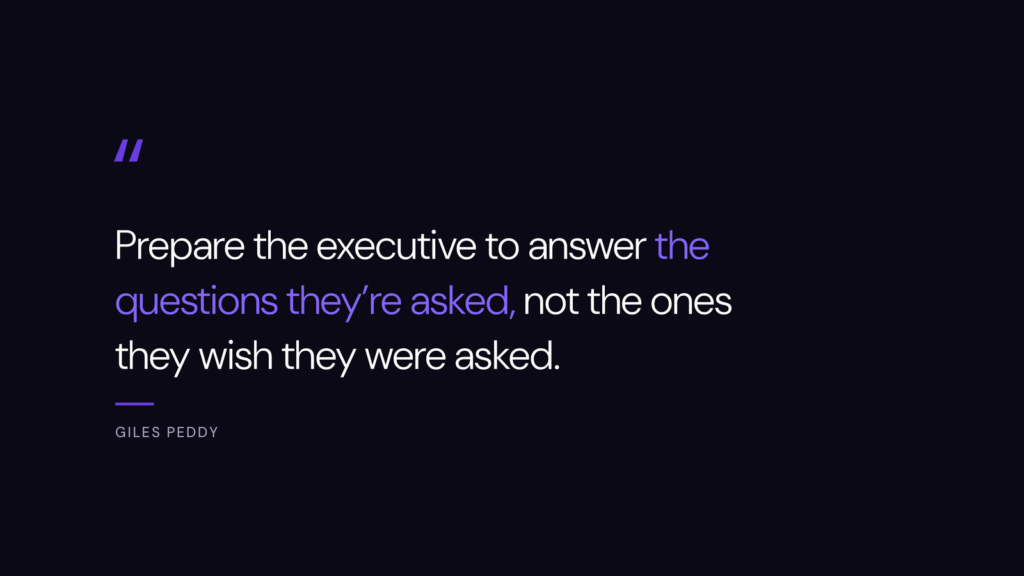
When preparing executives for podcasts and vodcasts, it’s important to ensure they’re not over-rehearsed, as they can come across as wooden. Crucially, prepare the executive to answer the questions they’re asked, not the ones they wish they were asked.
News podcasts, long-form video content and editorial newsletters are here to stay. They offer brands a great opportunity to get in front of highly targeted audiences and engage with them in new ways. But many of the old basics remain the same. Ultimately the right story at the right time in the right channel will have the greatest impact.
Many thanks to our panel for their insights and expertise, and to everyone who took time out of their schedules to join us.
As always, if you have any questions about any of the subjects raised in this article, get in touch. We’d love to help.
Newsletters, podcasts, vodcasts and long-form video, often run by journalists under their own names. They tend to be more personal and personality-driven than traditional newsrooms.
No. Our panel saw it as adding to traditional media rather than displacing it. Many people now move between a podcast, a newsletter, a news site and a vodcast in the same day.
The same way as any outlet: spend time with it first. Learn its focus, style and the story arcs it keeps returning to, and only pitch stories that fit.
Prepare them, but do not over-rehearse them, because they come across as wooden. Get them ready to answer the questions they are actually asked, not the ones they wish they were asked.